
Across the country, ACCC member programs are not just learning—they are transforming. Through the Association's educational programming, cancer centers and care teams are turning insights into action, implementing innovations that improve care delivery, expand access, and empower teams. These impact stories highlight how ACCC is driving measurable change in communities nationwide.

“I’ve had really positive experiences at the ACCC National Oncology Conference because attendees leave with practical tools and strategies that they can implement in their programs right away. Just last year, I attended a session focused on expanding nutrition services, immediately brought what I learned back to my team, and it’s now one of our 2025 quality improvement goals. No one is hiding their challenges or successes at these meetings; the presenters are very upfront about what has and hasn’t worked for them when undertaking a new initiative, so attendees have a clear understanding of the barriers they may encounter if they are interested in replicating a process or an innovation.”

From the May 13 ACCCBuzz interview with Andrew Munchel, MSN, RN, OCN, CPHQ, quality program administrator of the oncology service line at WellSpan Health, WellSpan Cancer Institute

“ACCC is very pragmatic in terms of care implementation. It’s very focused on community-facing clinical care teams, and there are a lot of practical, hands-on resources. When I first received notice that we had funding to start a geriatric oncology program, we heavily utilized the ACCC guidebook on geriatric assessment, which had a lot of great resources, including professionals to reach out to, examples of other programs and what they had done well, and strategies to integrate the multidisciplinary team, which was key to our program.”

From the May 5, 2025 ACCCBuzz interview with Ramy Sedhom, MD, director of medical oncology and palliative Care at Penn Medicine Princeton Health, University of Pennsylvania Health System.
In 2025, Theresa Roelke, MSN, RN, AGNP-C, a geriatric nurse practitioner at Maine Medical Center Cancer Institute in Scarborough, Maine, shared how a 2020 ACCC Innovator Award winning-lung nodule tool is now being used nationally and internationally. “Since 2020, the tool has been embraced broadly by a heterogeneous group of clinicians in over 60 health care organizations across the US and has received international recognition with distribution to delegates in Vienna at the International Association for the Study of Lung Cancer 2022 World Conference. This increased awareness outside the US has led clinics to engage patients with Pocket Nodules–Lung across Europe, Africa, the Asian Pacific, and Australia.”

From “Pocket Nodules: Encouraging Self-Efficacy Through Interactive Patient Education” in Volume 40, Number 5, Oncology Issues.
In 2025, Mercy Oncology was awarded a PCORI grant to further expand its 2024 ACCC Innovator Award-winning smart texting program. This program was an expansion on Mercy Oncology’s 2020 ACCC Innovator Award to reduce hospitalizations and ER visits with the addition of the Chen Chemotherapy Model to include 3 additional areas that impact health and well-being: physical function, behavioral health, and health-related social needs. Jay Carlson, DO, medical director of the oncology service line and clinical research chair for Mercy Research, reaffirmed the role that the ACCC Innovator Award program played in Mercy Oncology’s successes. “When it came time for our presentation at the ACCC National Oncology Conference and drafting an article for Oncology Issues, it forced us to re-examine our data with a fine-tooth comb, which is how we identified issues different communities were having with the smart texting.”

From the June 3, 2025 ACCCBuzz interview with Jay Carlson, DO, Medical Director of the Oncology Service Line and Clinical Research Chair, Mercy Research


As an organization, ACCC is committed to helping its member programs develop comprehensive and coordinated service lines to ensure equitable access to high-quality cancer care for all patients, regardless of who they are, where they live, or the location or setting in which they seek care. In support of this commitment, ACCC President Una Hopkins, DNP, MSN, FNP-BC, NE-BC, RN, FACCC, director for research and evidence-based practice at Montefiore Medical Center, in the Bronx, New York selected as her 2025-2026 theme: Designing Oncology Care to Meet the Needs of a Growing Patient Population.

“As oncology care evolves, our dedicated workforce continues to face extraordinary demands. Supporting this essential workforce is crucial not only for patient outcomes but also for maintaining a resilient, sustainable health care system.”

Una Hopkins, DNP, MSN, FNP-BC, NE-BC, RN, FACCC
ACCC President 2025-26

The 2025-2026 ACCC President’s Theme focuses on 4 key areas.

Workforce Empowerment and Enablement
In this 2025 article, VCU Massey Comprehensive Cancer Center shares how it is empowering its workforce by providing structured, purpose-driven opportunities for professional growth, mentorship, and leadership development. Through a 17-tiered education and training model, staff—from early-career researchers to clinician-investigators—gain access to hands-on experiences, career advancement resources, and community-engaged learning that align with their personal and professional goals. Mentorship is deeply embedded across every level, offering tailored guidance that supports skill-building, confidence, and long-term career success. This intentional approach not only strengthens individual capabilities but also fosters a culture of collaboration, equity, and purpose within the oncology workforce.
This CANCER BUZZ podcast highlights how cancer programs can empower the oncology workforce by leveraging intergenerational mentorship to retain expertise and support career growth. It explores innovative staffing models that bring retired nurses back as mentors, creating psychologically safe environments and reducing burnout while guiding new-to-practice nurses toward their desired specialties. By fostering a culture of collaboration and career development, programs can improve retention and satisfaction. As ACCC President Dr. Una Hopkins explains, “When you bring a retired nurse back, again, it’s meeting them where they are. They still want to share that knowledge that they have…It’s utilizing skills and years of experience to facilitate the growth of our new professionals.”

Capacity-Building at Scale
The strategies outlined in Margins in Crisis: Evaluating and Improving Your Cancer Program’s Financial Performance help cancer programs build capacity at scale by offering a robust, data-driven framework to grow patient volumes, optimize resources, and expand services. For example, programs are encouraged to use tumor registry data to identify growth opportunities, implement high-risk screening protocols, and strengthen referral networks to retain patients locally. Additionally, leveraging new billing codes—such as those for patient navigation and genetic counseling—can offset costs and support sustainability, while adoption of digital platforms can streamline financial assistance and reduce administrative burden. These approaches not only improve operational efficiency but also enable cancer programs to serve more patients without compromising quality of care.

Technology as a Workforce Multiplier
At the ACCC 42nd National Oncology Conference in October, three of the 2025 ACCC Innovator Award winners—Lifepoint Health, Highlands Oncology, and WellSpan Cancer Institute—gave presentations on how technology can serve as a powerful workforce multiplier in oncology care. Lifepoint Health’s AI-driven Healthy Person Program leveraged intelligent automation and centralized workflows to manage over 280,000 patients across 60 hospitals with just 25 navigators, enabling early detection and longitudinal tracking of high-risk conditions like lung and pancreatic cancer. Highlands Oncology used ePRO-based remote monitoring and AI-supported triage to sustain high patient engagement and reduce hospitalizations, all while streamlining workflows and minimizing staffing increases. WellSpan Cancer Institute integrated machine learning into clinical decision support to precisely identify patients needing palliative care, resulting in an 84% increase in referrals and a 59% reduction in clinician alert fatigue—proving that smart technology can extend clinical capacity, improve outcomes, and reduce provider burden.

Optimized Oncology Service Line Structures
In this article, learn how cancer programs can optimize their service line structure by fostering trust, transparency, and collaboration between clinical and administrative leaders. Through shared planning and decision-making, cancer programs can avoid operational misalignment and ensure that new services are both clinically effective and financially sustainable. Tools like co-developed dashboards and physician-administrator dyads promote mutual understanding and accountability, aligning goals across departments. Ultimately, these approaches create a more cohesive, efficient, and scalable cancer service line that supports both patient care and organizational performance.
At the ACCC 42nd National Oncology Conference in October, two of the 2025 ACCC Innovator Award winners—Fox Chase Cancer Center and Penn Medicine, Princeton Cancer Center—shared in separate sessions how they are redefining oncology service line structures through strategic, patient-centered redesign. Fox Chase’s Ambulatory Care Excellence (ACE) Model streamlines clinic workflows, standardizes roles, and aligns staffing with service line needs, resulting in improved care coordination, reduced delays, and enhanced provider satisfaction. Meanwhile, Penn Medicine Princeton Health’s geriatric oncology program integrates structured geriatric assessments into oncology workflows, supported by a population health dashboard and multidisciplinary care teams, enabling early identification of vulnerable patients and personalized treatment. Both programs demonstrate how data-driven models and interdisciplinary collaboration can optimize resources, improve outcomes, and elevate the standard of care across cancer service lines.

ACCC Global eXchange Panel
ACCC convened its annual Global eXchange panel at the ACCC 42nd National Oncology Conference where cancer care providers representing Canada, Mexico, and the United States shared powerful insights on the challenges and innovations shaping rural cancer care across the Americas. From patient navigation and telehealth to culturally tailored education and community-led interventions, the session highlighted practical strategies that transcend borders and improve access for underserved populations. By fostering international collaboration and spotlighting models like Mexico’s adolescent-led education and Canada’s community-integrated training, ACCC is expanding its global footprint and driving meaningful change in cancer care delivery worldwide.

Canada

Mexico

“In the US, we are fortunate to have highly trained nurses, but this is not true everywhere. Expanding nursing and advanced practice provider training globally could have an enormous impact.”

Enrique Soto, MD, PhD, FASCO, associate director for global oncology at the University of Colorado Cancer Center in Denver.

“We trained adolescents in rural communities about breast cancer so they could educate older women in their families—those who often lack access to formal education.”

Yanin Chávarri-Guerra, MD, PhD, full professor of oncology and clinical researcher at the Instituto Nacional de Ciencias Médicas y Nutrición Salvador Zubirán in Mexico.
“Partnering with the community to decolonize the curriculum and infuse Indigenous ways of knowing is how we build culturally sensitive care where people live and work.”

Jacqueline Galica, RN, BScN, MSc, PhD, CON(C), associate professor at Queens University in Canada.
ACCC Global eXchange Series in Oncology Issues
“Breast Cancer Knowledge Gaps and Misconceptions Among Non-Medical Female University Students in Southwestern Nigeria” shares data which showed that while over 60% of survey respondents demonstrated good overall knowledge, more than one-third held significant misconceptions—such as believing breast cancer is transmissible or only affects women. Factors like ethnicity, level of education, and religion were found to influence both knowledge and misconceptions, underscoring the need for culturally sensitive, youth-friendly education initiatives. Lessons from this international study offer valuable insights for improving cancer care in the US by highlighting the importance of early, targeted education, especially among younger populations and underserved communities. Understanding how socio-demographic factors shape health beliefs can inform more effective outreach and screening strategies. By supporting and sharing global research like this, ACCC is expanding its international footprint, fostering cross-cultural learning, and reinforcing its commitment to equitable cancer care worldwide.
This Oncology Issues article shines a spotlight on the Baheya Foundation in Egypt, a pioneering model of breast cancer care that blends advanced medical treatment with holistic, psychosocial support. Operating in a resource-constrained environment, Baheya has redefined access by offering free, comprehensive services—from screening and diagnostics to surgery and survivorship care—to women across Egypt, including refugees and those in rural areas. Its integrated care model, robust volunteer network, and culturally tailored education campaigns have reached tens of thousands of women, helping to reduce late-stage diagnoses and improve outcomes. For US cancer programs, the lessons from Baheya’s approach offer valuable insights into addressing health disparities, improving patient navigation, and embedding psychosocial care into clinical practice. Baheya’s success demonstrates how community engagement, culturally sensitive education, and wraparound support can transform care delivery, especially for underserved populations.




“Innovation is at the heart of ACCC, and that resonates with our staff. For example, our vice president of Cancer Care Services attended the ACCC 39th National Oncology Conference in 2022 and listened to one of the ACCC Innovator Award winners discuss its rapid diagnostic clinic, and we implemented that here in 2023. I was just talking to one of the nurse practitioners that run the program and they’re in the process of expanding it and hiring additional staff. We have already had approximately 133 referrals in our region through that program, and we’ve rolled it out to the emergency departments in most of our regional hospitals as well as our main ER. We are expanding it into hospitals and then primary care clinics. Hearing what other people are doing and how they are able to be successful in community settings is what we love the most.”

From the May 15, 2024 ACCCBuzz interview with Courtney VanHouzen, PharmD, clinical oncology pharmacist, Cowell Family Cancer Center, Munson Healthcare

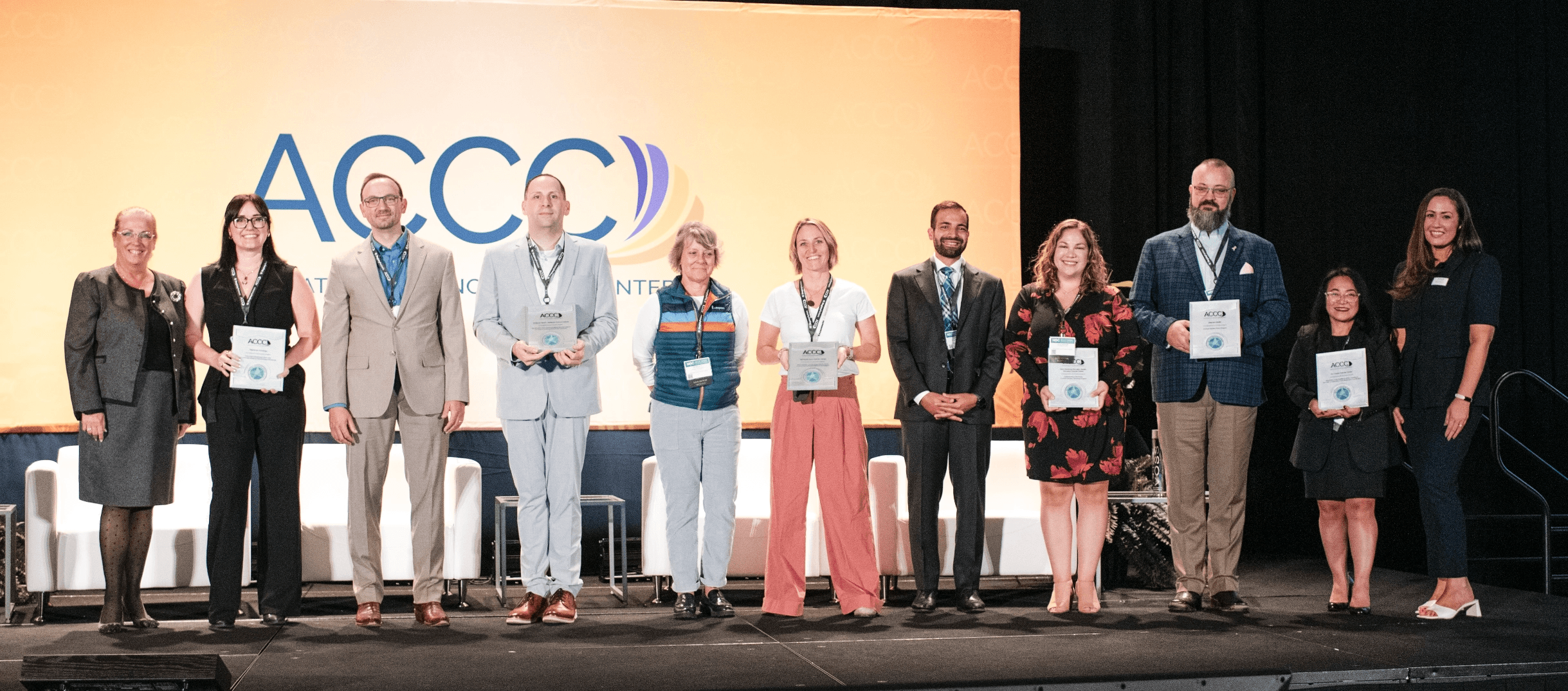
Each year, ACCC honors cancer program members that have developed and implemented creative and cost-effective solutions that improve the patient experience and cancer care delivery. This year, 6 cancer programs were selected by a group of their peers to receive a 2025 ACCC Innovator Award. Winning programs presented their innovations on a national stage at the ACCC 42nd National Oncology Conference in Denver, Colorado.

ACCC represents cancer programs and practices across the United States that are committed to advancing the delivery of—and equitable access to—high quality, affordable cancer care. ACCC is also committed to developing educational programming through a health equity lens and including health equity in its Strategic Plan so it continues to serve as a core value of the Association.

Food Insecurity Webinar
In 2025, ACCC Financial Advocacy Network (FAN) hosted a national webinar addressing food insecurity as a critical yet often overlooked barrier to optimal cancer care. The session brought together oncology clinicians, social workers, and community-based organizations to share evidence-based screening strategies, practical referral pathways, and real-world examples of integrating nutrition support into cancer programs. Participants gained actionable tools to identify and address food insecurity, ultimately improving patient outcomes and advancing health equity in oncology.

Veterans Care
In 2025, ACCC began its Veterans Care initiative, beginning with a curated resource library designed to support veterans with cancer as well as their families and caregivers. The resources include patient guides, research articles, videos, and practical tools that address common risk factors for veterans, barriers to treatment, and strategies for navigating care through the US Department of Veterans Affairs. In November 2025, ACCC hosted a Summit to Address Disparities in Veterans with Cancer, bringing together over 65 health care team members and advocates for a day of workshopping current barriers and possible solutions. Future work will focus on opportunities for more seamless care collaboration between VA and non-VA settings, screening and educational opportunities, advocacy for clinical trials, and more.

A Quality Improvement Approach to Oncology-Specific Screening Tools
This 2025 article detailed ACCC’s national quality improvement initiative to design, pilot, and evaluate an oncology-specific social determinants of health screening tool and resource library. Implemented at 5 diverse cancer programs, the tool helped teams systematically identify barriers such as financial strain, housing instability, transportation challenges, and lack of clinical trial awareness. Pilot results demonstrated the tool’s value in connecting patients with timely support services, improving care coordination, and increasing opportunities for underserved populations to participate in clinical research.

Strategic Approaches to Representative Oncology Clinical Trial Design
Through the ACCC Community Oncology Research Institute (ACORI), this article synthesized outcomes from the Inclusive Clinical Trial Design Summit, where national experts developed actionable strategies to make oncology trials more representative and accessible. The piece outlines workforce expansion through advanced practice providers and pharmacists, pragmatic trial design, community engagement beyond recruitment, and innovations like decentralized trials and AI-driven recruitment tools. These recommendations aim to dismantle systemic barriers, diversify participation, and enhance the real-world relevance of clinical trial findings.

CAR T-Cell Therapy Education
ACCC continued to advance equitable access to CAR T-cell therapy through key tools that aim to support multidisciplinary coordination. The Collaborative Care Checklist guides treatment centers in communicating critically important information to referring programs, thereby streamlining continuity of care and patient safety. Meanwhile, the Social Determinants of Health Checklist helps teams identify and address issues and areas of concern that may impede therapy access. Together, these tools strengthen both clinical coordination and social support across the CAR T-cell therapy continuum.

Addressing Disparities in Bladder Cancer Care
ACCC released an updated bladder cancer resource center, offering comprehensive guidance on diagnosis, staging, treatment options, and survivorship care. The resource hub includes case-based learning, biomarker testing updates, and multidisciplinary management strategies. By consolidating current evidence and practical insights, the program equips oncology teams to deliver personalized, high-quality care to patients with bladder cancer. Then explore the stories and project aims of 3 cancer centers who participated in ACCC’s quality improvement initiative to address disparities in bladder cancer care through pre-assessments, multidisciplinary workshops, and ongoing follow-ups.

Comprehensive Cancer Care Services Video
In partnership with the American Psychosocial Oncology Society and the Association of Oncology Social Work, ACCC released a new webinar series spotlighting exemplary Comprehensive Cancer Care Services across diverse practice settings. The piece highlights integrated care models that address not only medical treatment but also psychosocial support, navigation, and survivorship planning. By showcasing innovative, patient-centered approaches, the video serves as both inspiration and a practical blueprint for cancer programs nationwide seeking to strengthen the continuum of care.

Hepatocellular Carcinoma Education Showcase
Through a curated series of educational videos launched in 2025, ACCC addressed the complexities of diagnosing and managing hepatocellular carcinoma. The showcase features expert-led discussions on risk stratification, biomarker testing, systemic therapy sequencing, and multidisciplinary care coordination. These resources provide oncology teams with up-to-date, evidence-based insights to improve outcomes for patients with this challenging cancer type.

ACCC is recognized as a collaborative and diverse organization that leverages the robust knowledge of its multidisciplinary membership to provide indispensable resources. Below are key educational resources and tools developed in 2025.

Biliary Tract Cancer Resources
In 2025, ACCC launched an educational series for oncology professionals treating biliary tract cancers. This resource provides cutting-edge information on molecular profiling, treatment sequencing, and multidisciplinary management, including case studies and expert commentary. By equipping providers with the latest evidence and practical strategies, the program aims to improve early diagnosis and expand access to innovative therapies.

Bone Marrow Biopsy in Acute Myeloid Leukemia
This year, ACCC released an instructional video on optimizing bone marrow biopsy techniques for patients with AML. The resource emphasizes best practices for specimen collection, handling, and analysis to ensure diagnostic accuracy and timely treatment decisions. Designed for pathologists, hematologists, and oncology nurses, the video supports quality improvement in diagnostic workflows.

Antibody–Drug Conjugates in Gynecologic Cancers
In 2025, ACCC delivered targeted education on the rapidly evolving role of antibody–drug conjugates (ADCs) in gynecologic cancers. The program offers evidence-based updates on approved agents, emerging clinical trial data, toxicity management, and patient selection. Oncology teams gained practical tools to incorporate ADCs effectively and safely into treatment plans, improving outcomes in this underserved patient population.

Biomarker Testing in Gynecologic Cancers
This educational initiative, launched in 2025, provided oncology teams with best practices for implementing biomarker testing in gynecologic cancers. Through expert insights, algorithms, and workflow examples, the program emphasizes the importance of timely and comprehensive testing for biomarkers such as HRD, MMR/MSI, and HER2. The resource supports precision oncology by helping programs integrate testing seamlessly into routine care.
Antibody–Drug Conjugates in Non-Small Cell Lung Cancer Showcase
This education series features expert perspectives on the mechanism, efficacy, and safety considerations of newly approved and investigational ADCs in the treatment of NSCLC. Content includes strategies for sequencing therapies, managing unique toxicities, and identifying patients most likely to benefit. This dynamic resource helps oncology teams stay at the forefront of lung cancer treatment innovation.

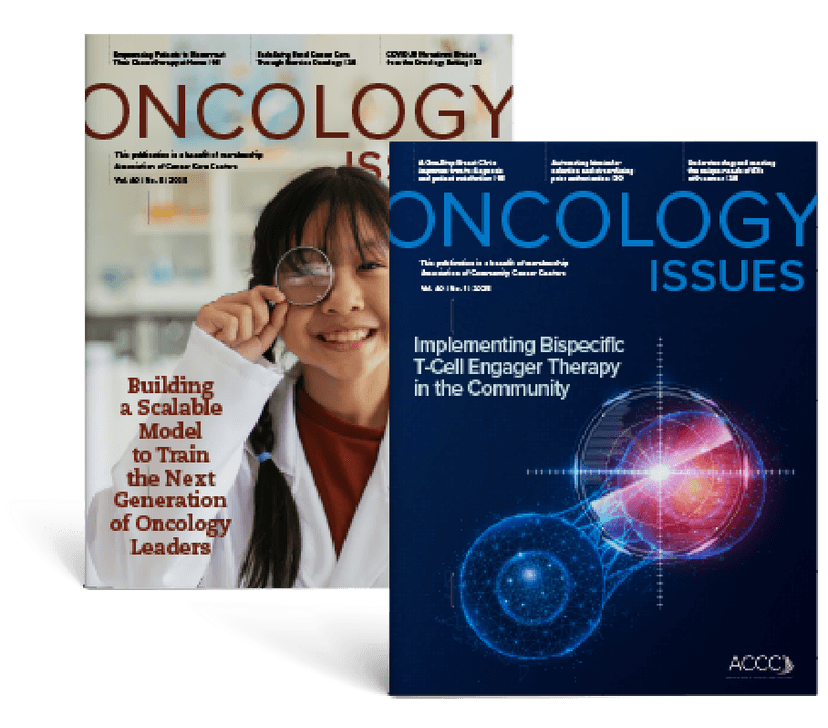
Oncology Issues
As one of the only non-clinical, operational journals covering cancer care delivery, in 2025, Oncology Issues provided “how-to” articles for the entire multidisciplinary oncology care team, on a wide range of topics, including:
- Key insights and strategies to meet the unique needs of AYA with cancer
- An innovative program to address housing insecurity
- A framework for delivering bispecifics in the community setting
- A model for pancreatic cyst surveillance and early pancreatic cancer detection
- A frank discussion of disenfranchised grief and countertransference in oncology
- An exploration of psychedelic-assisted therapy in oncology
- A pilot for delivering exercise oncology in a rural setting
- A pilot program to embed a pharmacist in cardio-oncology clinic.
Be sure to check out the latest Oncology Issues and explore past editions for valuable perspectives from leaders in oncology and actionable information for improving cancer care delivery and the patient experience.
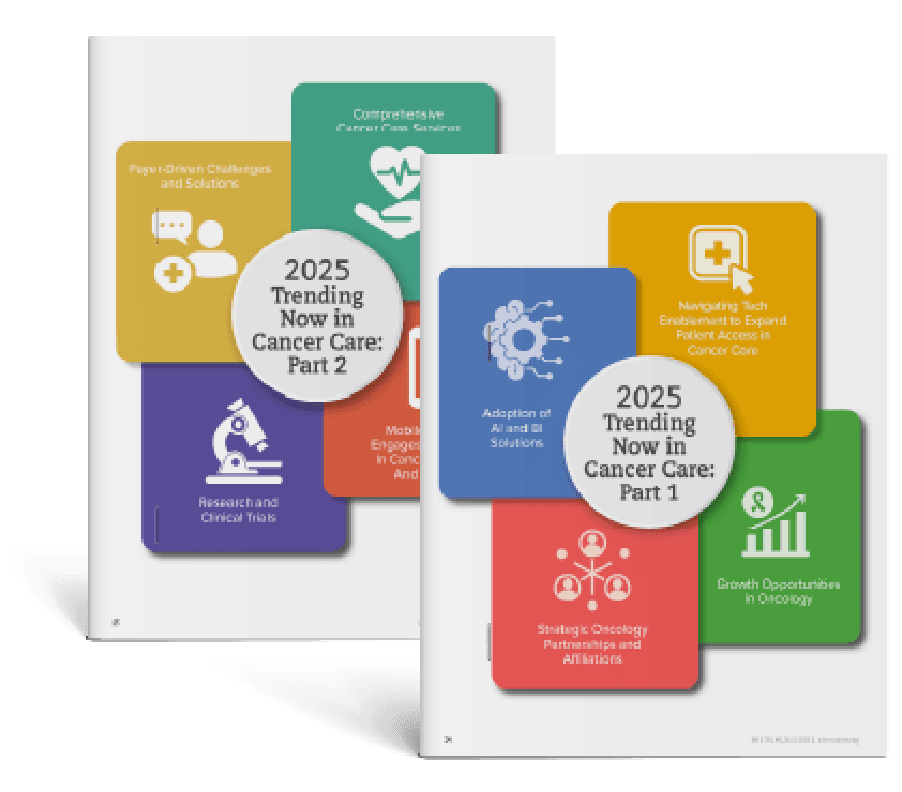
2025 Trending Now in Cancer Care Report
From AI-powered diagnostics to virtual care models and strategic partnerships, 2025 Trending Now in Cancer Care Part 1 reveals how cancer programs are transforming care delivery to meet rising patient demands and workforce challenges. This deep dive into real-world innovations illustrates how oncology teams are using technology to streamline workflows, expand access, and improve outcomes—while also driving revenue and reducing burnout. Whether you’re exploring clinical trial matching, infusion optimization, or rural outreach, this report offers actionable insights and proven strategies that can help your program stay competitive and patient-centered in a rapidly evolving landscape.
In a rapidly evolving oncology landscape, 2025 Trending Now in Cancer Care Part 2 offers a compelling look at how cancer programs are tackling today’s most pressing challenges—from workforce shortages and payer pressures to mental health gaps and clinical trial access. This resource showcases innovative models like digitally enabled psycho-oncology, AI-powered early detection, decentralized clinical trials, and whole-person navigation—all designed to improve patient outcomes, reduce costs, and expand equity. With real-world data, replicable strategies, and powerful patient stories, this report is a must-read for oncology professionals seeking to lead transformative change in their communities.
ACCCBuzz
ACCC’s official blog covered a variety of timely and impactful topics in 2025, focusing on trends, challenges, and innovations in oncology care. Some key topics included:
- Highlights from the September NCCN Summit: The Evolving Landscape of AI in Oncology where topics ranged from areas for greatest impact and challenges in addressing bias to regulatory implications and policy considerations.
- Bringing phase 1 clinical trials to historically underserved patient populations.
- Best practices for oncology APP onboarding.
- Highlights from the June NCCN Summit: Improving Patient Outcomes Through Primary Care and Oncology Collaboration where topics included the role of value-based care models in bridging the gap between primary care and oncology and the role of public policy in facilitating partnerships between primary care and cancer centers.
- Coping with imposter syndrome in a leadership position.
CANCER BUZZ
Cancer care is at a crossroads—and the conversations that matter most aren’t happening in keynote speeches or position statements. In 2025, ACCC introduced Oncology Unscripted—a bold new podcast series from CANCER BUZZ that cuts through the noise and gets real about the future of cancer care. Whether you’re in the clinic, the boardroom, or somewhere in between, Oncology Unscripted is your new go-to for unfiltered dialogue, fresh perspectives, and honest opinions. Oncology Unscripted is where strategy meets reality. Each episode dives into the clinical, operational, financial, and cultural challenges shaping oncology today—from AI hype from noise, confronting the real cost of innovation, and exploring clinical decision-making in the personalized care era. Conversational, multidisciplinary, and insight-driven, this is the podcast for oncology professionals who think bigger, lead smarter, and act bolder.
In 2025 CANCER BUZZ explored a diverse range of topics that included:
- Creating a Thriving Workplace Culture
- A patient and her care team on the importance of trust in clinical trial participation
- Improving care through financial navigation
- Women’s health and cancer screening in indigenous communities
- Building a pipeline of oncology workers through local partnerships and early career recruitment
Managing Dermatologic Toxicities in Cancer Care
In 2025, ACCC published a comprehensive resource on supportive oncodermatology, highlighting strategies to prevent, diagnose, and manage skin, hair, and nail toxicities associated with novel cancer therapies. Drawing from expert focus groups and real-world examples, the article outlines models for integrating dermatologic expertise into oncology care through on-site clinics, tele-dermatology, and standardized referral workflows to reduce treatment interruptions and improve patient quality of life.
Integrating EHRs with Reference Labs for Biomarker Testing: A Roadmap for Cancer Programs
In 2025, ACCC released a practical toolkit guiding cancer programs through integrating electronic health records with reference laboratories to streamline biomarker test ordering and result reporting. The roadmap details foundational planning, workflow assessment, team preparation, and post-launch optimization, with tips on selecting integration methods and validating result display.

In 2025, ACCC members advanced their policy goals through strategic meetings with policymakers, coalition-building, and targeted advocacy efforts. A highlight of the year was ACCC’s Annual Capitol Hill Day on March 5, 2025, when more than 50 members from across the country traveled to Washington, D.C., to directly engage with members of Congress and their health policy staff. These conversations focused on 5 priority issues critical to the delivery of high-quality, comprehensive cancer care.

Prior Authorization
To address ongoing concerns about the burden and negative impact of prior authorizations, the Centers for Medicare and Medicaid Services (CMS) implemented the CMS Interoperability and Prior Authorization Final Rule (CMS-0057-F) that took effect in January 2026 and which applied to Medicare Advantage, Medicaid, CHIP, and Affordable Care Act plans. As this rule does not apply to many employer plans or prior authorizations relating to prescription drugs, ACCC continues to advocate that policymakers address these gaps and enact protections by statute. ACCC also asked Congress to enact statutory protections relating to prior authorizations processes used by Medicare Advantage plans by enacting the Improving Seniors’ Timely Access to Care Act of 2025 (H.R. 3514/S. 1816 in the 119th Congress).

Drug Shortages
To seek a systemic solution to ongoing shortages of anticancer agents and supportive medications, ACCC worked with a coalition of patient advocacy and provider organizations, led by the Hematology/Oncology Pharmacy Association (HOPA), to consider and propose policy solutions to these drug shortages. For example, ACCC members contributed to a coalition consensus statement with policy recommendations that is scheduled to be released by Q1 2026.

Patient Navigation Services Reimbursement
In 2024, Medicare began to reimburse for certain patient navigation services, including assessments relating to social determinants of health (SDOH). In the 2026 Medicare Physician Fee Schedule Proposed Rule, CMS proposed eliminating the SDOH code. In its comment letter on the proposed rule, ACCC asked the agency to retain this code. While the code was retained in the 2026 Medicare Physician Fee Schedule Final Rule (CMS-1832-F), CMS revised the code descriptor to read, “Administration of a standardized, evidence-based assessment of physical activity and nutrition, 5-15 minutes, not more often than every 6 months.”

Financial Toxicity
ACCC encouraged Congress to continue to consider legislation to help alleviate financial toxicity for patients, including patients with cancer. One potential step would be to extend the subsidies available to certain families purchasing their own health care coverage through the Affordable Care Act marketplaces, which are set to expire at the end of 2025 unless Congress extends them. ACCC is committed to continuing to work with members of Congress and policymakers to help identify and enact reforms to alleviate the ongoing and growing concern of financial toxicity.

The Inflation Reduction Act (IRA) Reimbursement Impact Under Medicare Part B
Under the Inflation Reduction Act of 2022 (H.R.5376), beginning in 2028, certain infused medicines covered by Medicare Part B will be subject to price negotiations and reductions. To mitigate the impact of any reduced Medicare reimbursement on the providers and health care practices that administer these Part B Drugs, ACCC has endorsed the Protecting Patient Access to Cancer and Complex Therapies Act (H.R.4299).

Additional Bipartisan Priorities
On ACCC’s Capitol Hill Day held in March 2025 and in additional advocacy efforts throughout the year, ACCC asked Congress to address a number of priorities not enacted in the American Relief Act of 2025 (H.R.10545):
- Telehealth. In a September 25, 2025, letter to Congress, ACCC advocated for extension of certain flexibilities for telehealth services under Medicare that began during the COVID-19 public health emergency.
- Multi-Cancer Early Detection (MCED) Screening. In a September 17, 2025, letter to Congress, ACCC expressed its continued support of coverage for multi-cancer early detection screening tests once FDA approval is received. This legislation has been reintroduced as H.R.842/S.339 and currently has wide bipartisan support in both Houses of Congress.
- Protecting Cancer Research and Patient Care Access. ACCC strongly opposed executive actions limiting funding for the National Institutes of Health and other federal support for medical research and proposed and enacted federal legislative changes that tightened Medicaid eligibility and are projected to increase the ranks of the uninsured by millions. Combined, these changes threaten to undermine the cancer research ecosystem, reduce patient access to care, and reverse progress in cancer treatment outcomes nationwide.

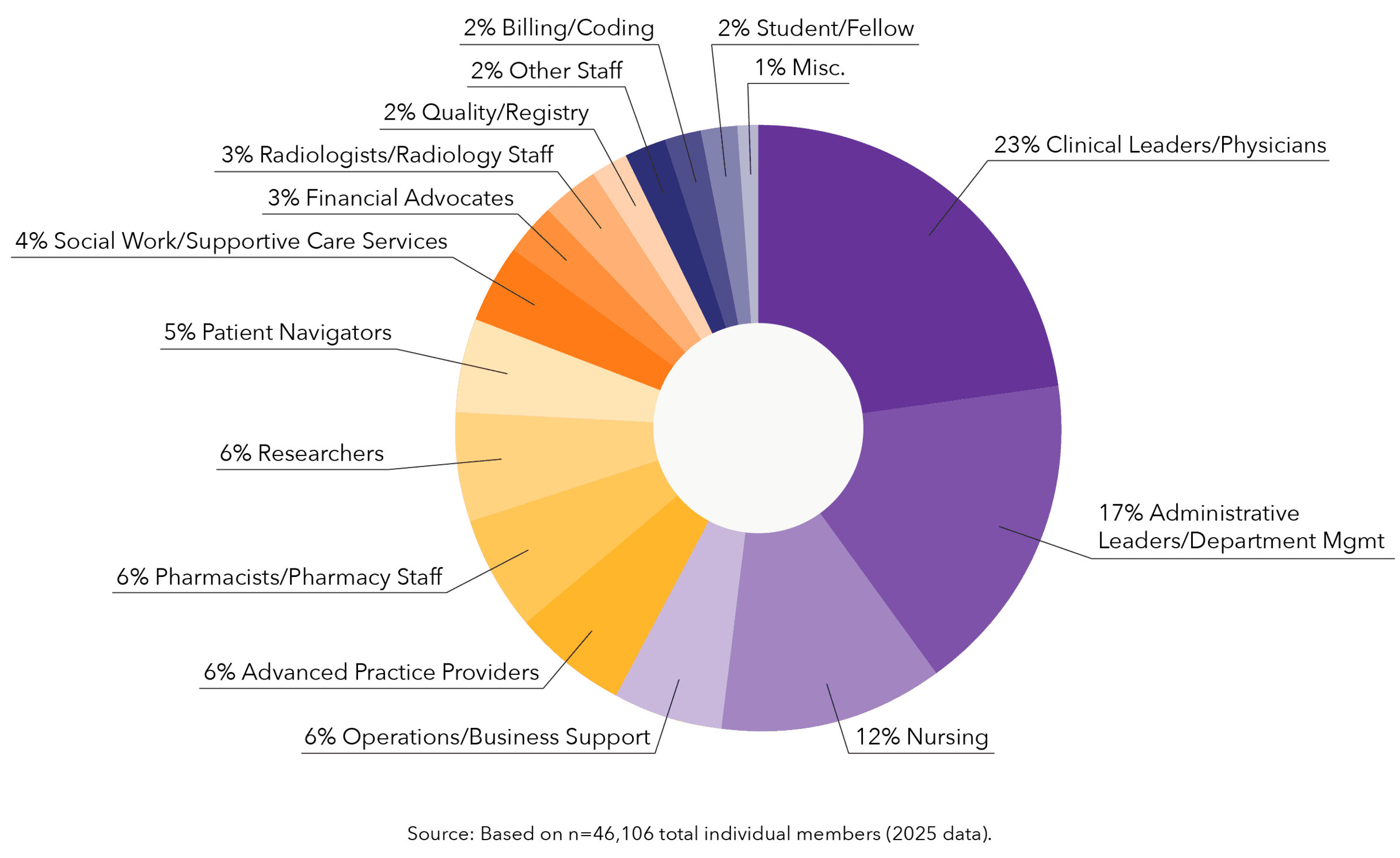
The Association of Cancer Care Centers (ACCC) is a powerful community of more than 46,000 multidisciplinary professionals from 1,700 organizations nationwide.
Gain the most from your ACCC membership by getting involved! You have a valuable forum to collaborate and learn from your colleagues nationwide, share your cancer program or practice’s successes, and foster leadership opportunities.
Are you an ACCC Member? To see if your program is already a member, refer to our online directory to find your cancer program. If you don’t already have one, create a login to be added to your program’s membership roster or email membership@accc-cancer.org for assistance. Not a member? Learn how you can benefit from ACCC’s unique multidisciplinary perspective by:

Participating in critical conversations with colleagues.
Through ACCCeXchange, a vibrant members-only online discussion community, you can connect directly with colleagues nationwide on important topics. Regardless of your role, you can find answers to your questions and share your experiences. Additionally, subgroups dedicated to financial advocacy, oncology research, and radiation oncology are available where you can seek support and guidance for specific challenges in these areas.

Identifying the education and resources you want to receive.
ACCC offers educational content tailored to your professional interests. To receive personalized outreach from ACCC, update your areas of concentration, mailing preferences, job title, and credentials in your ACCC website profile. An ACCC profile is required to register for live and virtual events and to participate in discussions on ACCCeXchange.

Attending live, virtual, and on-demand events.
Are you seeking opportunities for professional growth and resources for improving processes and quality? ACCC provides valuable guidance, best practices, and accredited educational resources and events. Check out our upcoming calendar of events and e-learning catalog to discover what suits you best, including on-demand webinars and continuing education programs.

Joining a task force or committee.
ACCC relies on its most valuable resource—its members—to provide insights on comprehensive cancer care delivery. Many volunteer opportunities are available. If you wish to be considered for volunteer opportunities or would like to be contacted regarding upcoming engagement activities, please email membership@accc-cancer.org and mention “Volunteer Opportunities” in the subject line of your email.

Nominating a colleague for a prestigious award.
Have you or a colleague spearheaded a program that is innovating care delivery at your cancer program or practice? Share these accomplishments with a wider audience and submit a nomination for the 2026 ACCC Innovator Awards. Applications are being accepted between December 1, 2025 and February 23, 2026.

Sharing your expertise with a national audience.
ACCC is proud to offer its members the chance to help create content across multiple platforms. Contact ACCC if you or a colleague are interested in submitting an article to Oncology Issues, authoring a blog for ACCCBuzz, or serving as a guest on CANCER BUZZ.
ACCC Membership by the Numbers
Breakdown of ACCC Members by Role
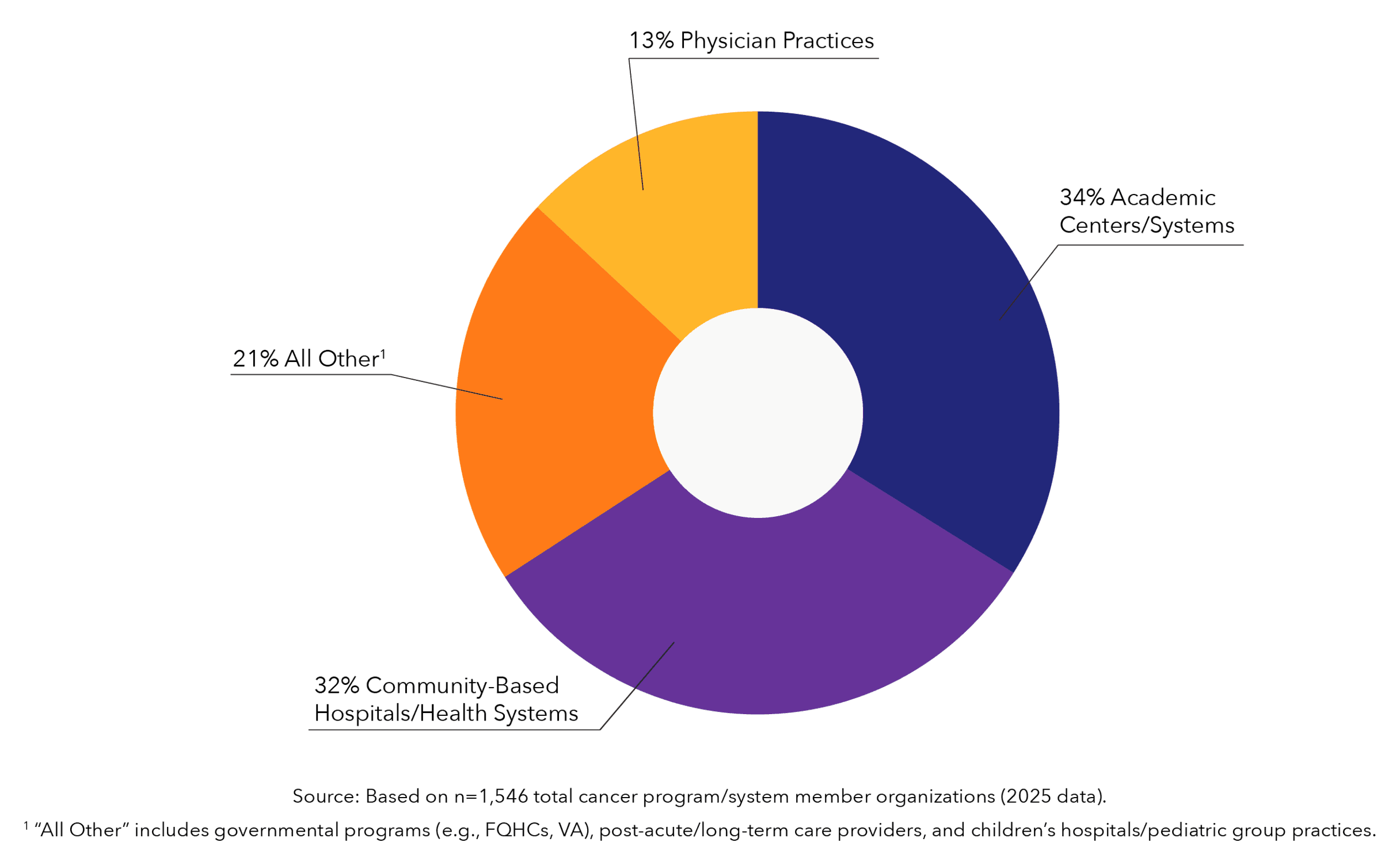
Breakdown of ACCC Member Programs by Type
2025-2026 Executive Committee
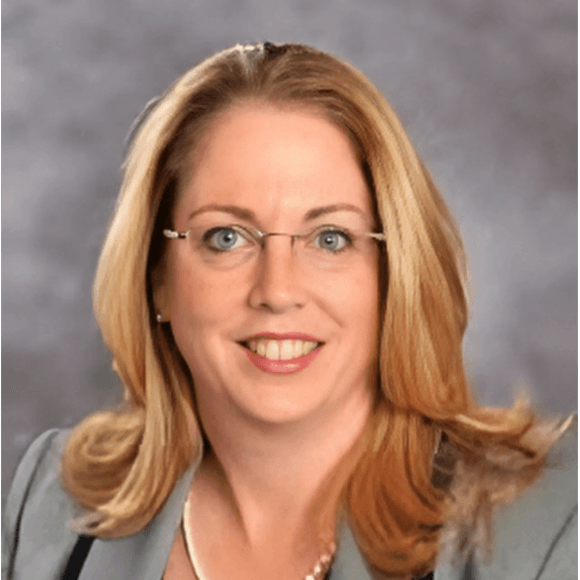
President
Una Hopkins, DNP, MSN, BSN, FNP-BC, NE-BC, RN, FACCCDirector for Research and Evidence Based Practice
Montefiore Medical Center
%402x.png&w=640&q=75&dpl=dpl_Ep76JnRuwEUF2aie29uMCQFtDGpg)
President-Elect
Douglas Flora, MD, LSSBB, FACCCExecutive Medical Director,
Oncology Services
St. Elizabeth Healthcare

Immediate Past President
Nadine J. Barrett, PhD, MA, MS, FACCCSenior Associate Dean for Community Engagement and Equity in Research
Wake Forest University School of Medicine and Atrium Health
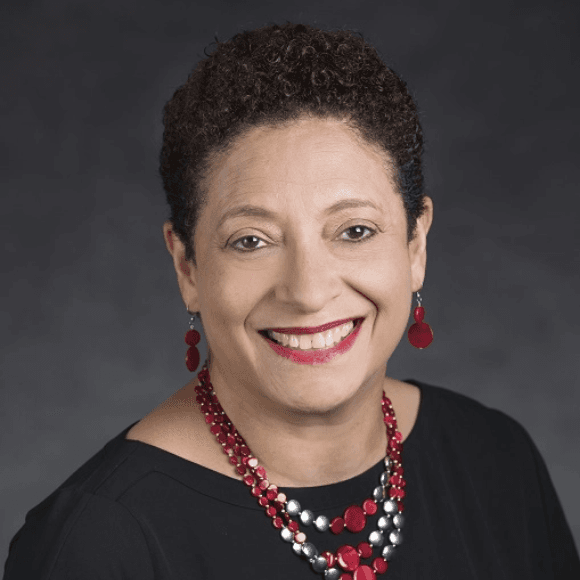
Treasurer
J. Renea Duffin, MPA, FACCCVice President, Cancer Support and Outreach
Mary Bird Perkins Cancer Center

Secretary
Jorge J. Garcia, PharmD, MS, MHA, MBA, FACHE, FACCCAssistant Vice President
Baptist Health South Florida
2025-2026 Board of Trustees
%402x.png&w=640&q=75&dpl=dpl_Ep76JnRuwEUF2aie29uMCQFtDGpg)
Executive Director,
Life with Cancer and Patient Experience
Inova Schar Cancer Institute
GI Surgical Oncologist
UK HealthCare/Markey Cancer Center
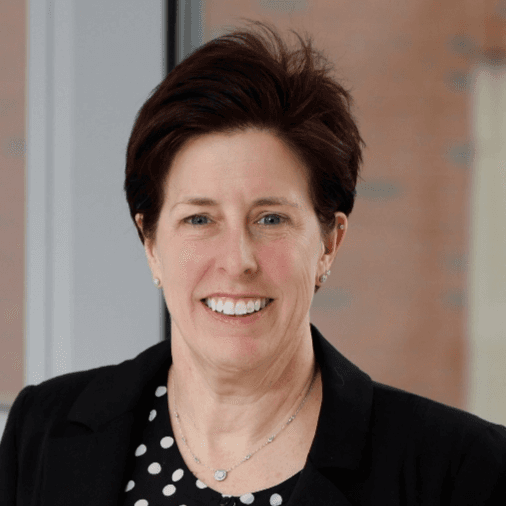
Assistant Director of Pharmacy – Patient Support & Reimbursement Service Line
The Ohio State University Comprehensive Cancer Center – The James
Physician-in-Chief,City of Hope Orange County
Vice Physician-in-Chief,City of Hope National Medical Center
Professor, Department of Medical Oncology & Therapeutics Research
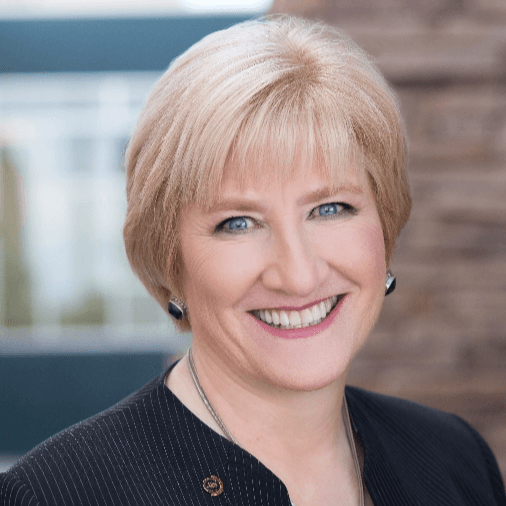
Medical Oncologist CEO,
New Mexico Oncology Hematology Consultants

Assistant Professor,
Steve Hicks School of Social Work
Assistant Professor of Oncology & Health Social Work
The University of Texas at Austin
Director of Value-Based Care
American Oncology Network

Associate Professor-Clinical, Division of Human Genetics
Arthur G. James Cancer Hospital and Richard J. Solove Research Institute
The Ohio State University

Director, Duke Endo-Oncology Program,
Checkpoint NOW Health
Duke Cancer Network,
Duke Cancer Institute

Medical Oncologist
Florida Cancer Specialists & Research Institute
Oncology State Societies
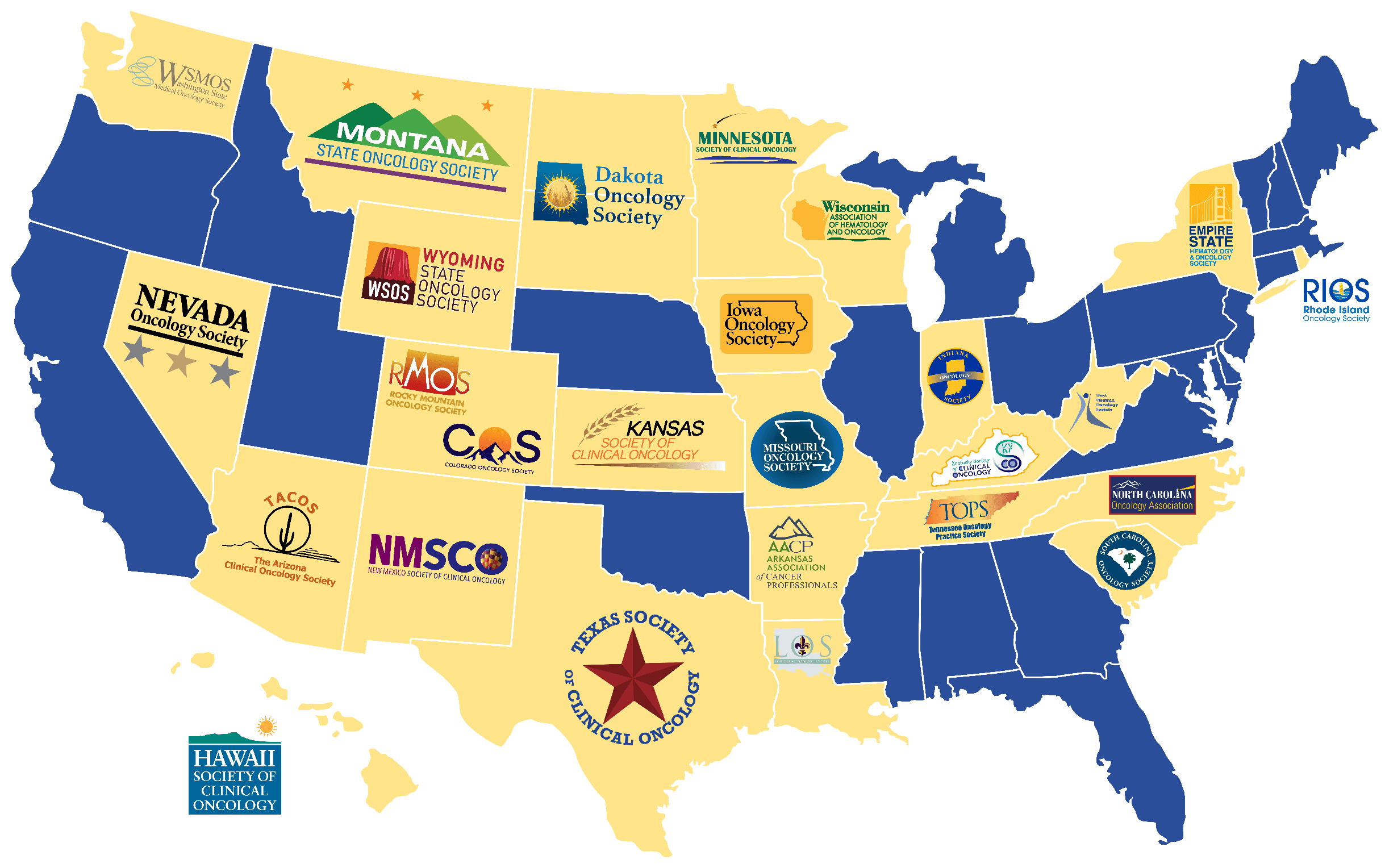
ACCC has a network of 25 State Chapters, which are also State Affiliates of the American Society of Clinical Oncology. State Society members receive select benefits from ACCC and valuable state-specific resources to help them stay ahead of the shifting healthcare landscape and the challenges that directly impact the high-quality care their patients deserve.